
Trump Signs Common Cents Act, Allowing Cash Rounding as Pennies Remain Legal Tender
The Common Cents Act allows, but does not require, rounding of cash payments when exact change is unavailable. Existing pennies remain legal tender.
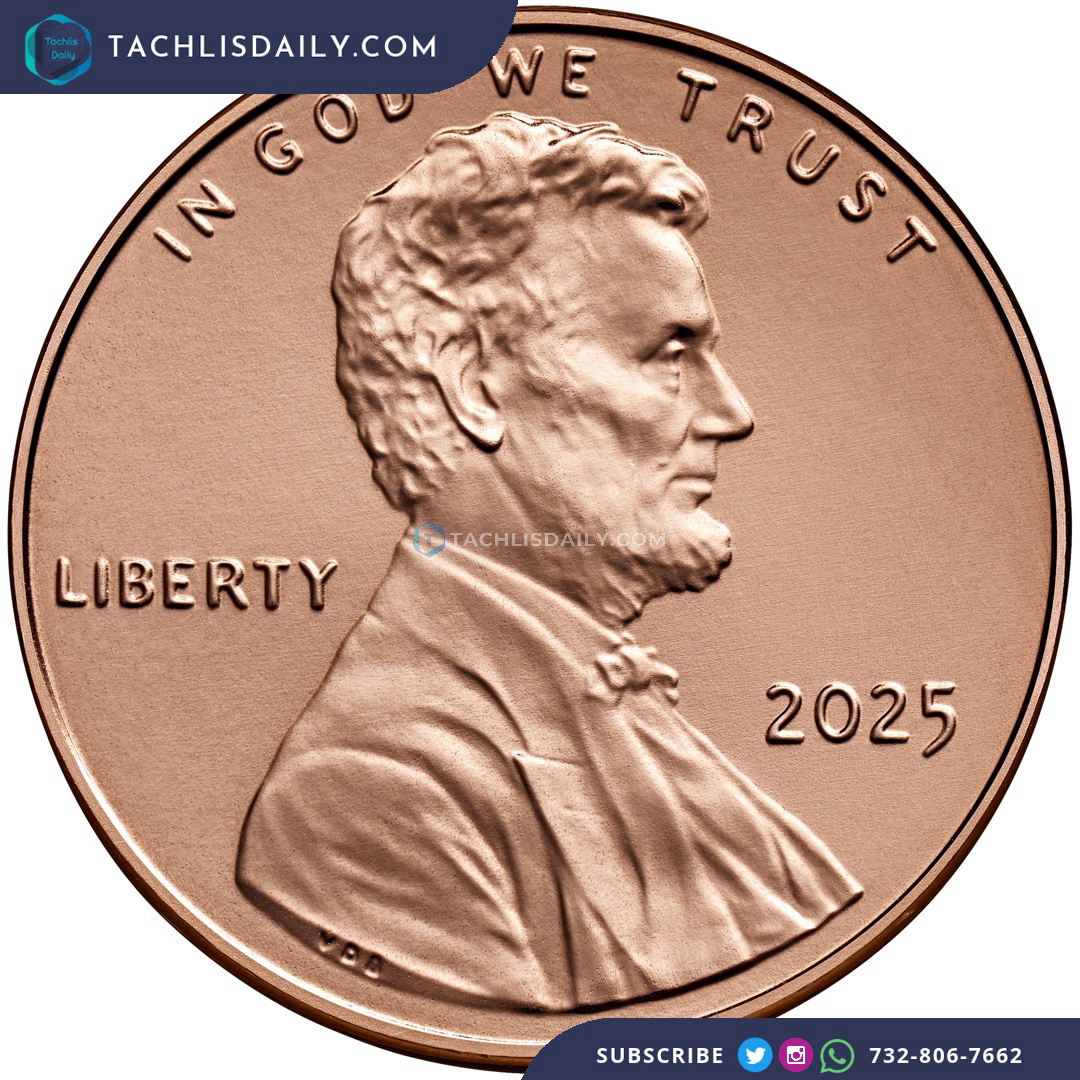
President Donald Trump signed the Common Cents Act on Friday, setting federal rules for optional cash rounding as the United States moves away from producing pennies for general circulation. Existing pennies remain legal tender.
The law allows a cash payment or the change due to a customer, including taxes, to be rounded to the nearest five cents when exact change cannot be provided. It does not require businesses or customers to round their payments.
Under the standard rule, amounts ending in one, two, six or seven cents may be rounded down. Amounts ending in three, four, eight or nine cents may be rounded up. A special provision allows an entire transaction of one or two cents to be rounded up to five cents.
The law also permits rounding in the customer's favor. If an employer chooses to round a cash wage payment, the payment must be rounded up, not down. Minimum-wage, overtime and paid-leave requirements still apply.
Credit cards, checks, electronic transfers, gift cards and other noncash payment methods are not covered by the rounding provisions.
The act directs the Treasury to stop making one-cent coins for general circulation but allows collectible pennies to continue. It also allows a different metal composition for nickels, subject to testing aimed at reducing production costs and limiting problems for coin-operated machines.
The Federal Reserve must prepare a plan addressing penny orders, deposits and coin-distribution stability. The law does not make existing pennies worthless or require customers to stop using them.