
Supreme Court Rejects Trump Bid to Set Aside California Mail Ballots
The Supreme Court on Monday rejected the Trump administration's emergency request to set aside up to 20,000 California mail-in ballots that federal officials say may have been cast by noncitizens. The one-sentence order gave no reasons, and no dissents were noted.
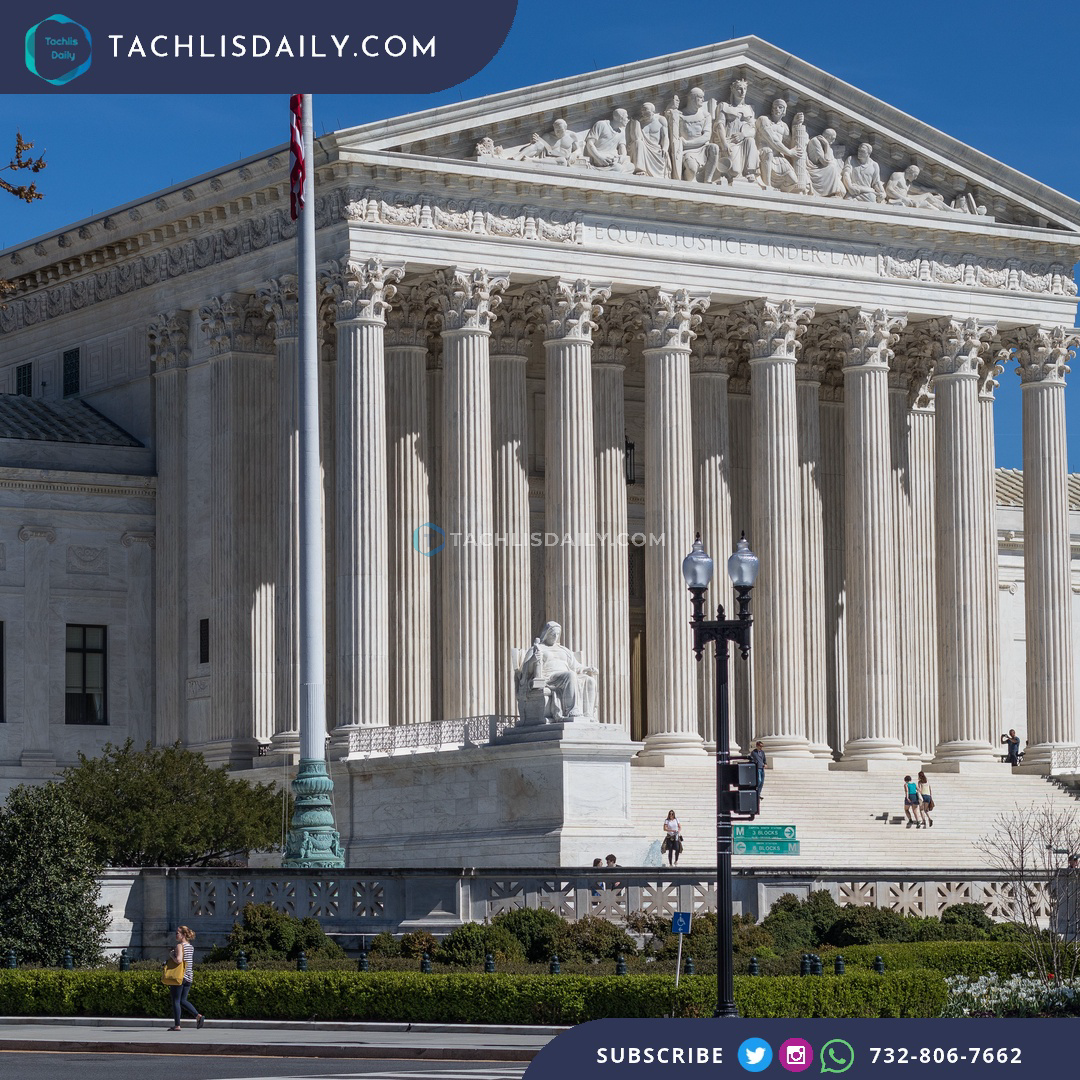
The Supreme Court on Monday rejected the Trump administration's emergency request to force California to set aside up to 20,000 mail-in ballots that federal officials say may have been cast by noncitizens, turning away the appeal hours after it was filed on the eve of the midterm election.
The court issued a one-sentence order without explaining its reasoning. No dissents were noted, which does not by itself show the justices were unanimous on the merits.
Solicitor General D. John Sauer had asked the court for what he called the "modest remedy" of setting aside ballots cast by more than 20,000 registered voters who, in the government's view, are likely not U.S. citizens. California officials dispute that the flagged voters are noncitizens, and no court has established that any illegal votes were cast.
The request reached the court on an emergency basis, so Monday's order does not finally resolve the dispute. Lower courts had ruled against the administration. On Friday, a divided panel of the 9th U.S. Circuit Court of Appeals barred the federal government from intervening in California's mail-ballot counting, writing that the federal government has no power to dictate how states run elections and citing "a material risk that granting the United States its requested relief would result in disenfranchisement."
The administration says it has a constitutional interest in ensuring that only citizens vote and argues that California's refusal to investigate the flagged registrations frustrates enforcement of the federal law banning noncitizen voting. California and voting-rights groups say past federal claims of noncitizen voting have not withstood scrutiny and that the current claims rest on uncertain evidence that risks disenfranchising citizens.
Tens of millions of voters have already cast early ballots nationwide. The justices have long warned federal courts against changing election rules at the last minute, a doctrine known as the Purcell principle.