
NYC Subway Signal Upgrades Face Further Delays, Consultant Finds
An MTA consultant now forecasts January 2029 substantial completion for two signal projects. New train-control technology could enter service earlier; the G line's final completion forecast remains unresolved.
New York City's subway signal modernization program faces further delays, according to an independent engineering consultant's report presented to the MTA's Capital Program Committee on Monday.
The consultant now forecasts substantial completion in January 2029 for upgrades on Eighth Avenue, serving the A, C and E lines, and on the eastern Queens Boulevard corridor, serving the E and F. Those forecasts are 15 months and eight months later, respectively, than previously reported by the consultant.
The distinction between completion and passenger service matters. The new communications-based train control technology, known as CBTC, can begin operating before all remaining project work is finished. The report's substantial-completion dates are not promises that riders must wait until those dates for any benefits.
Work on the Crosstown corridor, which includes the G line, has also fallen further behind. The consultant reported another 14 months of delay and had not finalized its updated completion forecast. Software development, the design and integration of the new train-control system, and the availability of trains equipped with 5G radios remain challenges.
The modern signals are intended to replace aging equipment and allow trains to operate closer together. But installing and testing a new system while the subway runs around the clock adds technical and operating constraints. Software issues and limited access to tracks for testing have affected the Eighth Avenue project, officials said at Monday's meeting.
MTA construction chief Jamie Torres-Springer said riders can receive benefits from related work before the new signal system is switched on. He pointed to new elevators and modern subway cars on the G line, Gothamist reported.
The three delayed signal projects have a combined estimated cost of more than $2 billion. Separately, the MTA has started another major signal replacement project on the Fulton-Liberty corridor in Brooklyn and Queens.
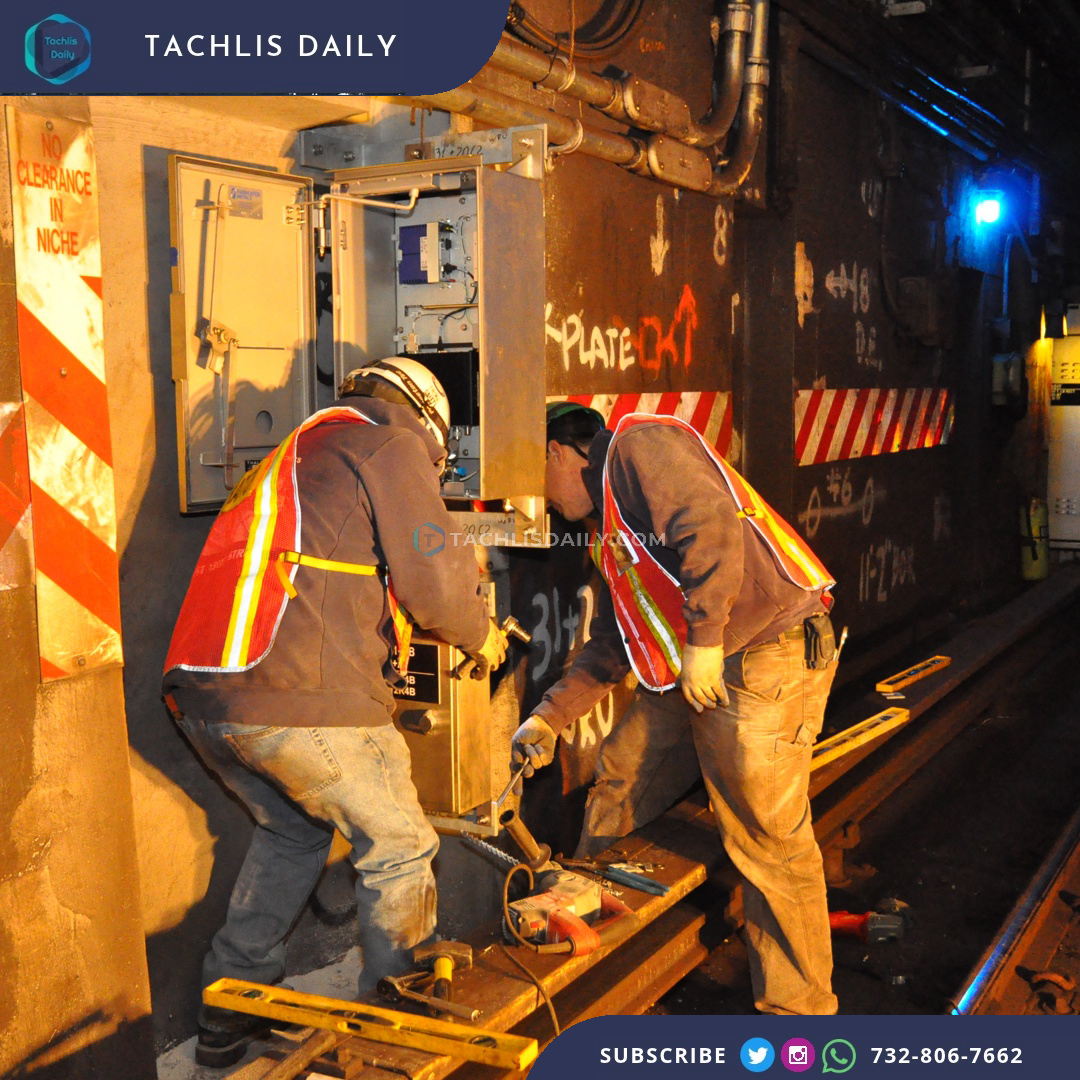
The featured photograph is an archival illustration of workers installing a CBTC signal case at Grand Central in November 2013. It does not show the projects or work discussed in Monday's report.