
Northwestern Engineers Unveil 3D Printing Method That Is Faster and More Precise
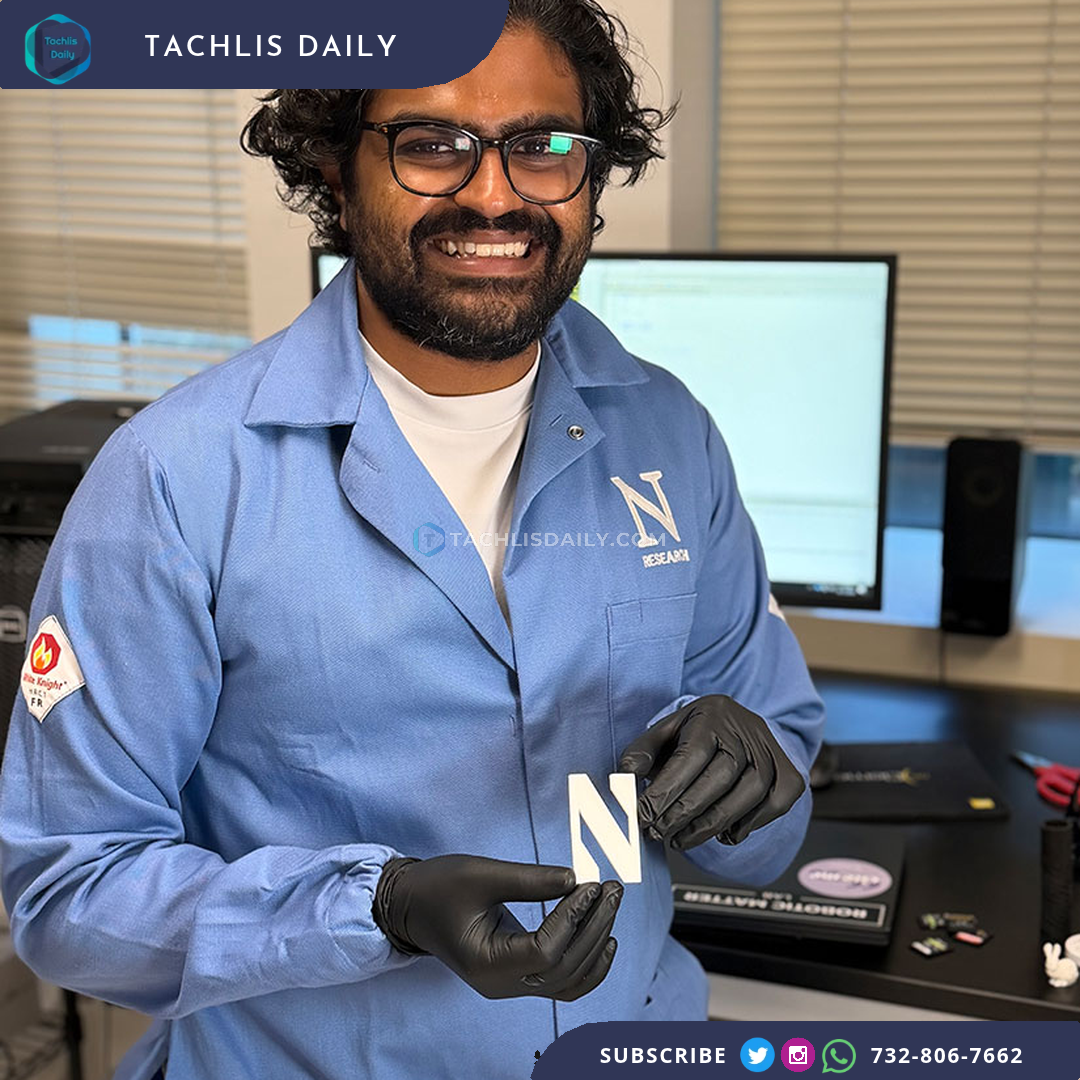
Northwestern engineers have developed a 3D printing method that combines fast, detailed printing with the ability to use thick, functional inks, according to a study published Wednesday in Science Advances.
Called direct ink additive lithography, or DIAL, the method spreads paste-like inks into thin sheets and uses patterned light to harden selected areas. Repeating the process layer by layer builds a three-dimensional object without tracing every line through a narrow nozzle.
In side-by-side tests, DIAL printed porous, grid-like structures more than four times faster than conventional extrusion-based printing. One test took 30 minutes with DIAL, compared with 124 minutes using extrusion. The researchers also reported sharper features and fewer defects.
The work was led by Northwestern professor Ryan Truby, with mechanical engineering doctoral candidate Pranav Kaarthik as the study's lead author. The team demonstrated the method with structural electrolyte inks being developed for batteries and hydrogels inspired by devices used to grow cells and engineer tissues.
DIAL can also make some delicate structures without separately printed supports. The surrounding unhardened ink holds features in place during printing and can be washed away afterward, with excess ink collected for reuse.
The researchers say the approach could support work in robotics, energy storage, tissue engineering and custom medical devices. Those are possible applications of the research, not a claim that finished products are already available.