
N.J. Committee Advances Bills to Limit AI in Insurance Claims and Tenant Screening
New Jersey lawmakers advanced proposals on AI-assisted insurance decisions and automated tenant screening. The bills are not law, and businesses raised concerns about costs and fraud detection.
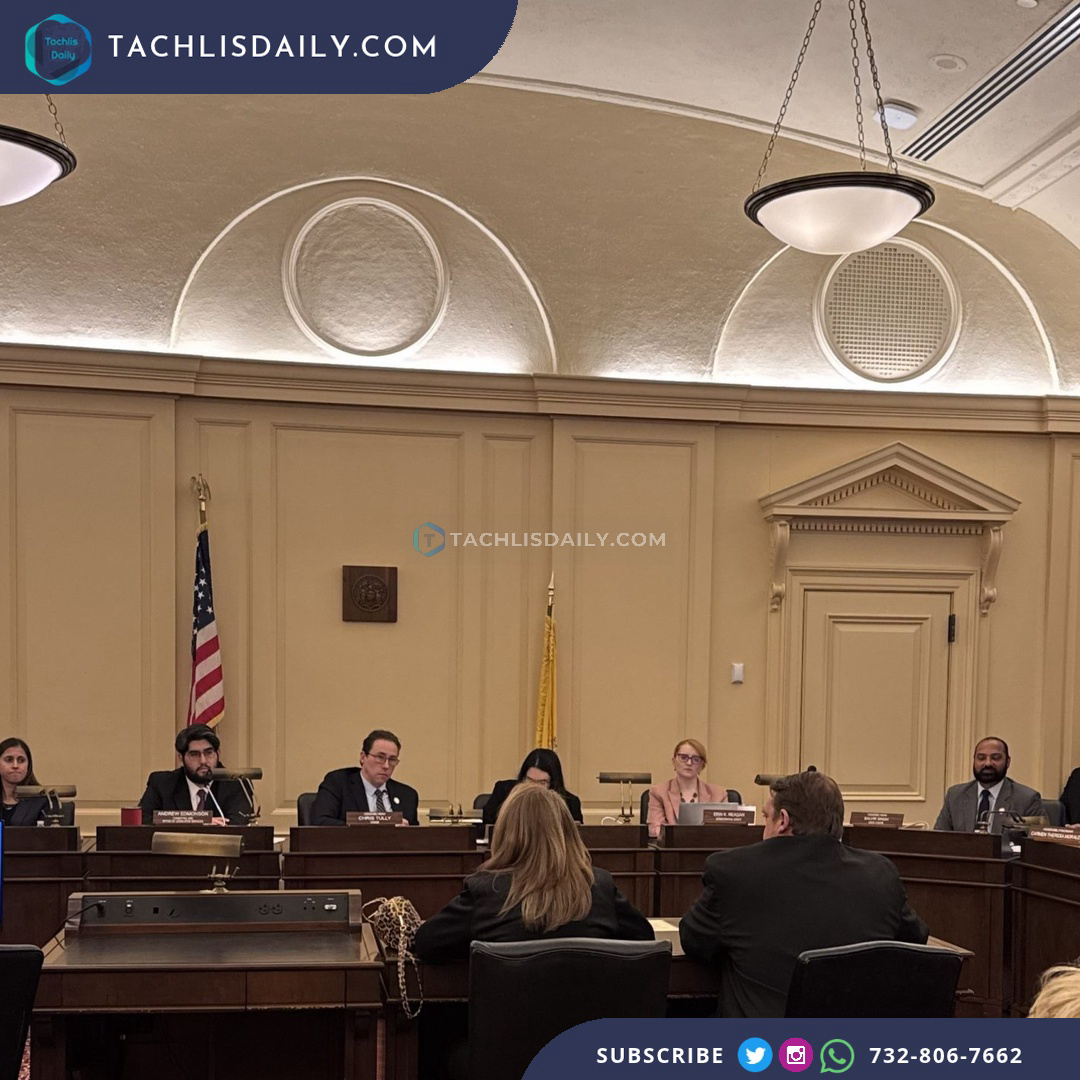
A New Jersey Assembly committee advanced proposals Monday to restrict certain uses of artificial intelligence in insurance claims and regulate automated tenant screening, as lawmakers weighed consumer protections against business concerns.
The Assembly Science, Innovation and Technology Committee considered the measures at its November 16 meeting. One bill, A5494, addresses the use of AI in denying homeowners, automobile and flood insurance claims. Another, A5495, would regulate automated tools used to evaluate prospective tenants.
Both measures advanced with Assemblyman Chris DePhillips abstaining and the other committee members voting in favor, according to the New Jersey Globe. The official legislative record lists A5494 with the Assembly Financial Institutions and Insurance Committee and A5495 with the Assembly Housing Committee following Monday's meeting.
Committee chairman Chris Tully said major decisions affecting people's lives should retain human oversight. Supporters described the proposals as a way to protect consumers as automated systems become more widely used.
Industry representatives raised concerns about restrictions on developing technology and their effect on businesses. The New Jersey Apartment Association warned that landlords face increasingly sophisticated fraudulent applications and questioned whether the tenant-screening proposal could limit the use of AI to detect them, the Globe reported.
The committee also discussed A4981, a separate proposal dealing with AI-based electronic monitoring in employment and public services. That item was listed for discussion only. It should not be confused with the two insurance and tenant-screening bills that moved forward.
The proposals are not new laws or rules already in effect. Further legislative action would be needed before they could become law, and the final requirements could change as the bills move through the Legislature.