
Leonid Meteors Offer Stargazing Opportunity This Week
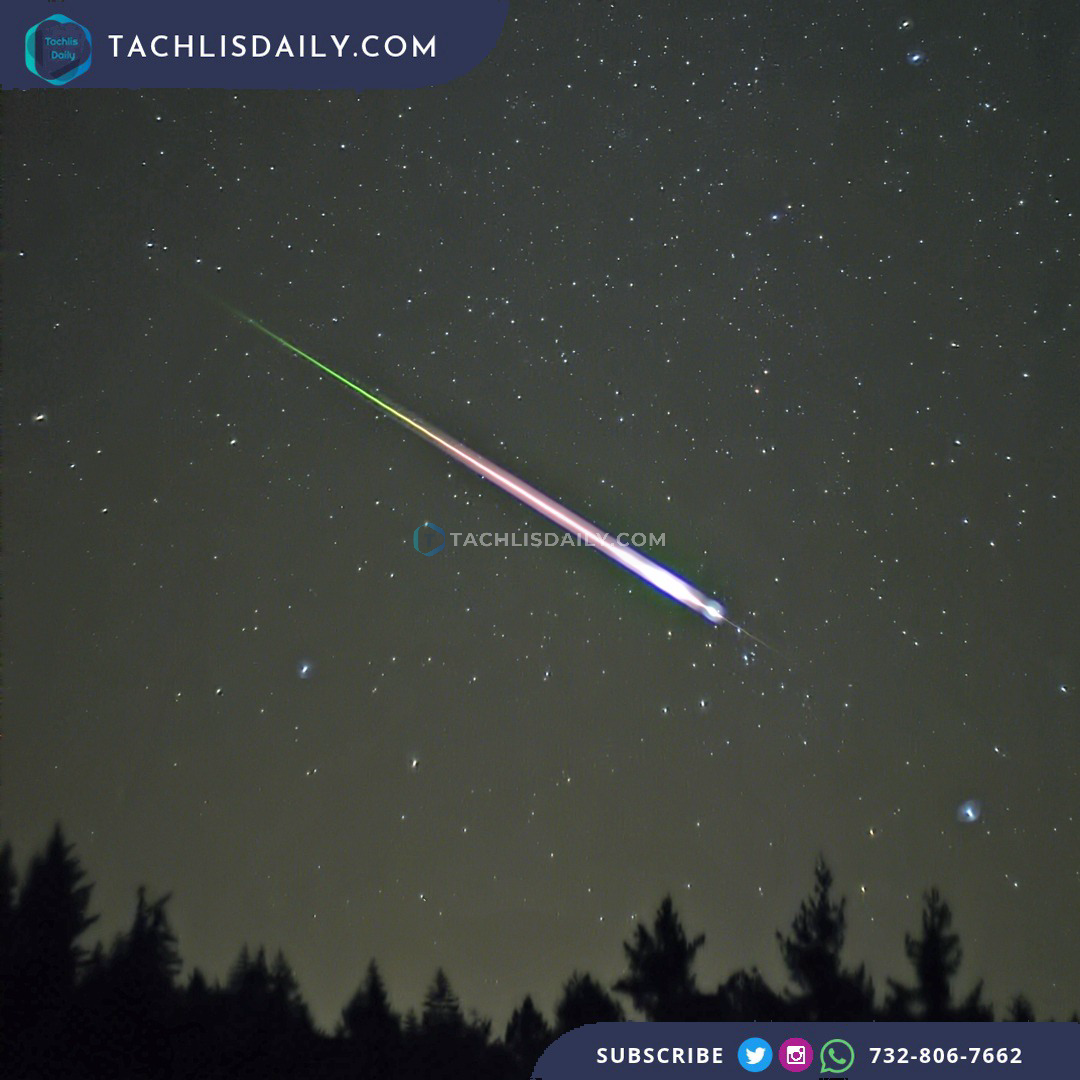
The annual Leonid meteor shower is active through November 30, giving stargazers several nights ahead to spot some of the fastest meteors of the year.
NASA says the shower peaks on the night of November 16-17. The Leonids are considered a major shower, though rates under dark skies are often only a few meteors per hour. The meteors are bright and can be colorful, and they travel at about 44 miles per second, among the fastest of any shower.
The best viewing begins around midnight local time, in an area well away from city and street lights. Come prepared for the cold, lie flat on your back with your feet toward the east, and look up, taking in as much of the sky as possible. In less than 30 minutes in the dark, your eyes will adapt and you will begin to see meteors. The show lasts until dawn.
The Leonids come from debris left behind by comet 55P/Tempel-Tuttle, which takes 33 years to orbit the sun. About every 33 years, the shower can produce a meteor storm with hundreds to thousands of meteors per hour. The last Leonid storm was in 2002.
(Photo is an archive image of a Leonid meteor from November 17, 2009, not this year's sky.)