
FCC Approves Licensed Cellphone Jamming at State and Local Prisons
Prisons need FCC authorization and testing. The decision includes safeguards aimed at protecting lawful calls outside facilities.
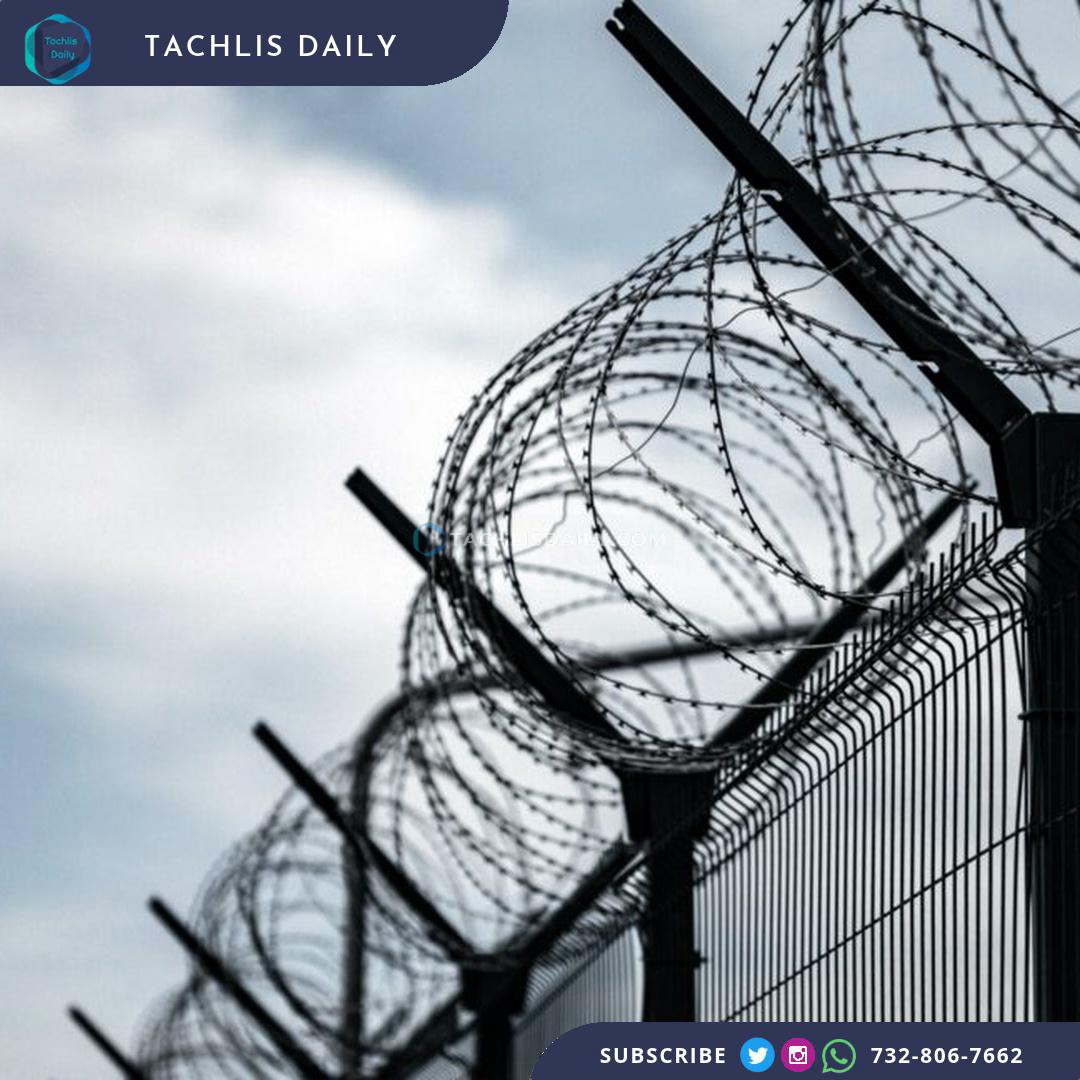
The Federal Communications Commission voted Thursday to allow licensed use of targeted cellphone-jamming technology at state and local correctional facilities, opening a new route for prisons and jails seeking to block contraband phones, according to Ars Technica and The Verge.
The decision is not blanket permission for any facility to turn on a jammer immediately. Facilities choosing the technology must seek FCC authorization, meet technical and testing requirements and show that interference will stay within the approved area. Nearby communities must receive notice before operations begin.
Officials argue that smuggled phones allow inmates to direct criminal activity, coordinate violence and threaten people outside prison. The FCC says the framework includes safeguards intended to protect lawful communications beyond facility boundaries.
Wireless industry group CTIA has warned that jamming can disrupt legitimate service, including emergency calls. Ars Technica reported that CTIA cited testing in which interference reached beyond a prison and some targeted phones still completed calls.
Commissioner Anna Gomez supported allowing the limited use after safeguards were added, while voicing concerns about unintended interference and equipment misuse. The policy is voluntary; prisons are not required to deploy jammers.