
Ericsson Turns Mobile Networks Into Drone Detectors With New ISAC System
Ericsson on Monday unveiled a system that lets existing 5G mobile networks detect and track drones across wide areas, with commercial pilots planned with selected customers in 2027 and broader deployments from 2028.
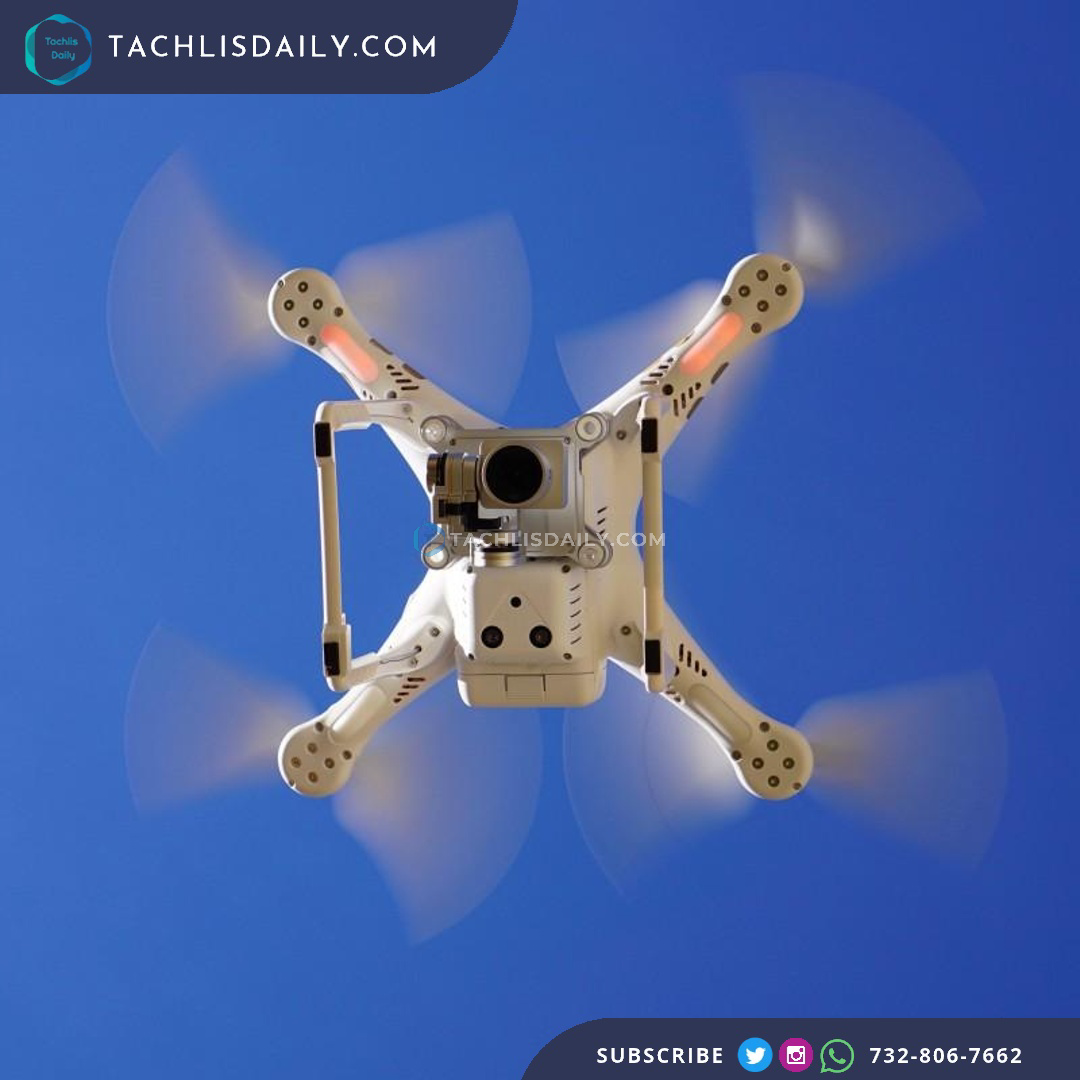
Ericsson on Monday introduced a system that turns existing mobile networks into wide-area drone detectors, aiming to close a growing gap in spotting small, low-flying drones.
The Ericsson ISAC System — for Integrated Sensing and Communication — adds sensing to ordinary 5G network infrastructure. Using sensing-capable 5G radios, edge computing, AI and signal processing, it detects and tracks moving objects even when they are not connected to the network, by analyzing how radio signals reflect off them. Multiple cell sites work together, viewing objects from several angles at once for more accurate tracking.
The company says the system is meant to complement radar and dedicated sensors, not replace them, and is aimed at defense, public safety and critical infrastructure operators. Small, cheap drones are increasingly used for unlawful surveillance, organized crime, sabotage and warfare, and their low-altitude flight makes them hard to detect with a single sensor.
In validated tests, Ericsson said, the system reliably detected and tracked micro drones at kilometer-scale distances with precise 3D positioning. Trials with AT&T in Arlington, Texas, and with Finnish operator Erillisverkot in Helsinki demonstrated multiple 5G sites tracking drones in live conditions.
The rollout is phased: small-scale, sensing-only commercial pilots with selected customers are planned for 2027, with broader-scale deployments from 2028. The system is not broadly deployed today. Integrated communications capability is expected to be added as the technology evolves toward 6G.