
Preliminary study flags cardiac arrest reports tied to energy drinks and stimulants in young adults
Researchers said cardiac arrest and heart attack made up a larger share of FDA adverse-event reports tied to energy drinks and stimulant products than of other reports. The analysis is preliminary and shows association, not causation.
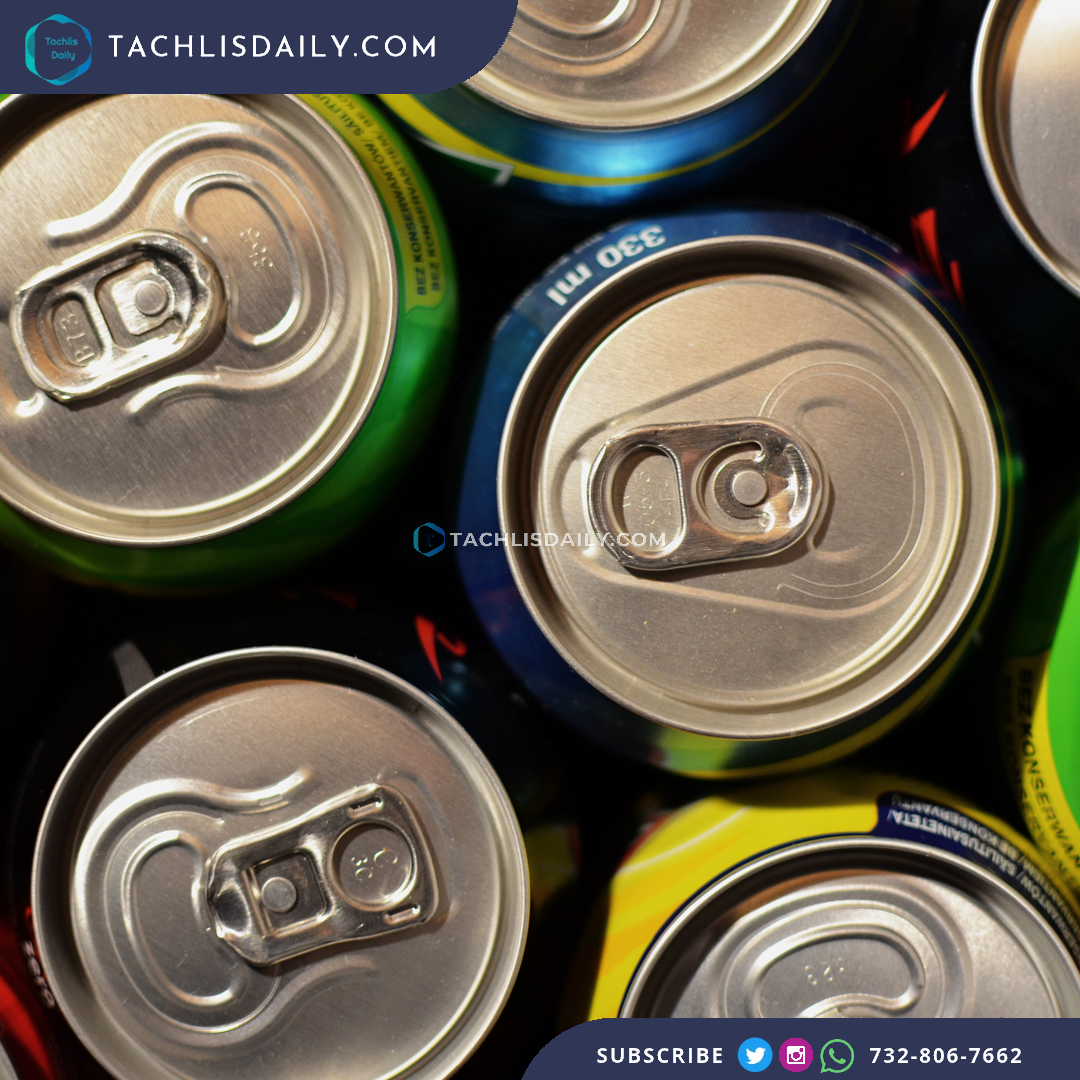
Reports of cardiac arrest and heart attack accounted for a larger share of adverse-event reports to the Food and Drug Administration involving energy drinks and other caffeine or stimulant products than of reports involving other products, researchers said Monday in a preliminary analysis.
The researchers examined 28,345 voluntary reports submitted to the FDA between 2017 and 2025. Of those, 854 involved caffeine or stimulant products and 27,491 involved other products. The analysis focused on reports involving young adults.
The work was released as a meeting abstract and has not been published as a peer-reviewed paper. The authors cautioned that voluntary reporting data can show only an association in how events are reported. It cannot show that any product caused the reported events, and it cannot measure how common such events are among users.
The researchers treated energy drinks and other stimulant supplements as distinct products. They said the findings point to a signal that needs further study, not proof of risk at any specific level.