
Birdsong and Human Speech Share Common Patterns, Study Finds
Researchers compared recordings from more than 350 bird species with human speech and song in 52 languages, finding shared patterns in pitch, rhythm and phrase endings.
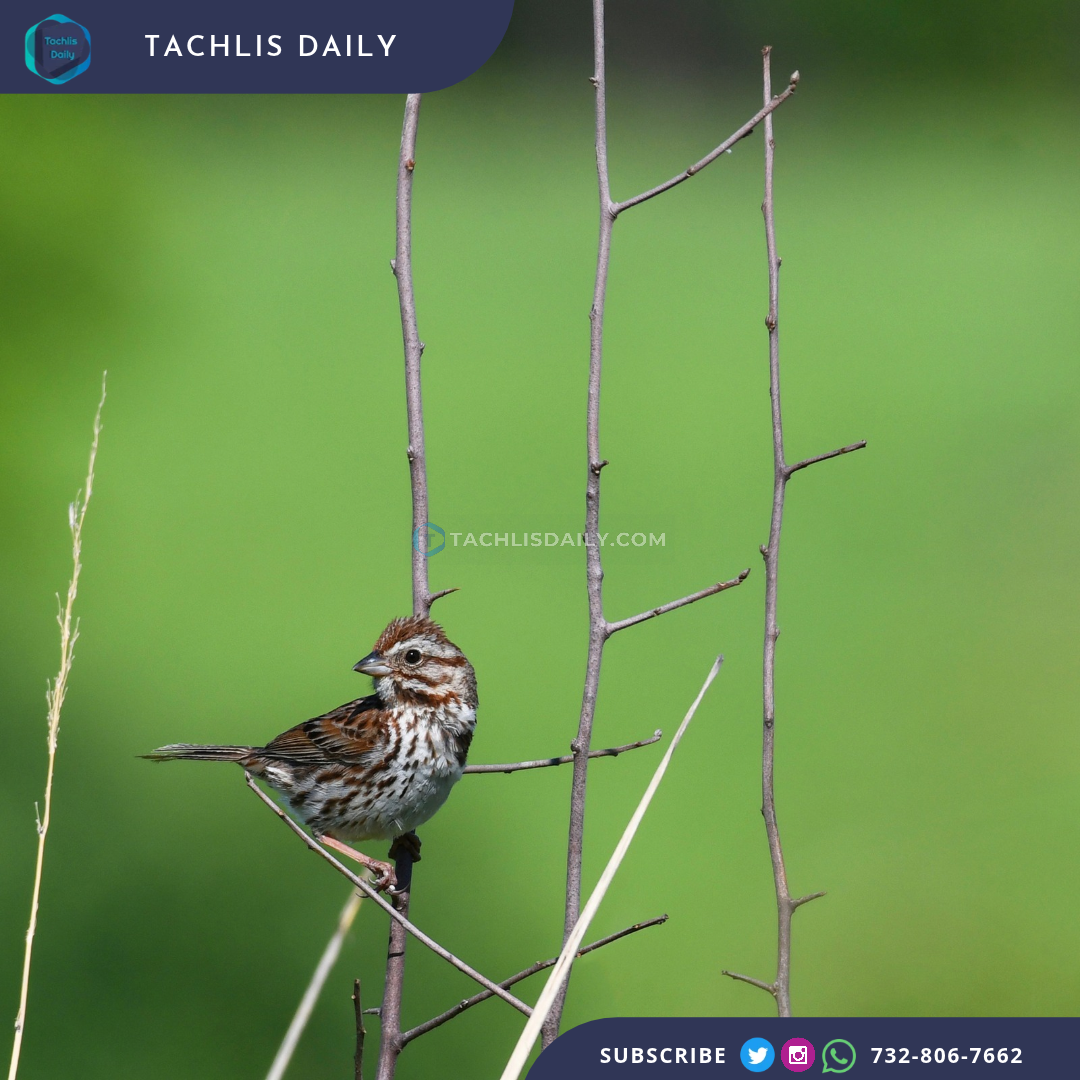
Birds and humans share several patterns in the sounds they produce, according to a McGill University study published Thursday in Science. Researchers found similarities in pitch changes, rhythm and the way vocal phrases end across hundreds of bird species and human speech and song.
The team analyzed recordings from more than 350 bird species, producing a dataset of roughly 70,000 vocal units. They compared those recordings with publicly available human speech and songs spanning 52 languages.
Shared features included relatively small changes in pitch between sounds, regular and predictable rhythms, and phrase-final elongation, in which the final sound in a phrase tends to last longer. The findings concern acoustic patterns, not evidence that birds understand or use human language.
The researchers included birds that learn their vocalizations by imitation, such as songbirds and hummingbirds, as well as groups whose calls are innate, including suboscines and nightjars. They found little evidence that vocal-learning birds were consistently more similar to humans than non-learning birds.
The authors suggest that some similarities could reflect common constraints in producing sounds, such as breathing or the difficulty of making large pitch jumps. Those explanations remain possibilities for further research rather than a demonstrated single cause.
The work, titled Pervasive patterns in bird songs resemble those in human speech and song and are independent of vocal learning, appears in Science. McGill's research announcement describes the methods and findings.