
Aravax Reports Positive Phase 2 Results for Experimental Peanut-Allergy Therapy
The company says its investigational PVX108 treatment met the trial's primary goal in children. Larger studies are still needed.
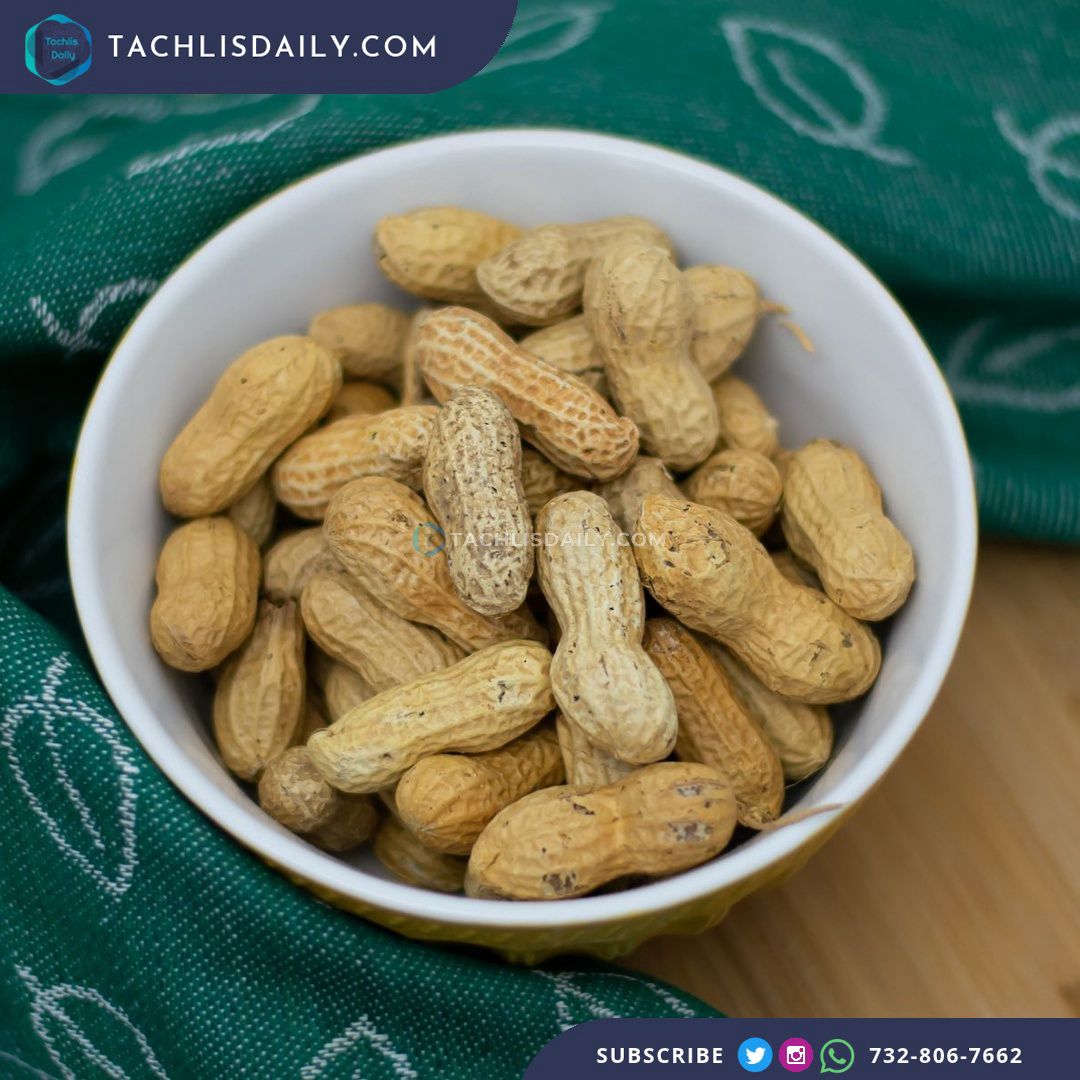
Aravax says its experimental peanut-allergy treatment PVX108 met the main efficacy goal in a Phase 2 trial, with children receiving the higher tested dose tolerating a greater increase in peanut exposure than those receiving a placebo.
The company announced the topline results Thursday. The primary efficacy and safety group included 71 children ages 4 to 11 at trial sites in the United States and Australia. A separate pilot safety group included 24 adolescents ages 12 to 17.
Participants received monthly injections into the skin over 12 months in a randomized, blinded, placebo-controlled study. The main comparison measured the change in the maximum amount of peanut protein participants could tolerate during a controlled food challenge.
Aravax reported a statistically significant difference between the higher-dose group and placebo. It also reported less severe food-challenge reactions and improvements in some child-reported measures of the emotional impact of living with food allergy. These are company-reported early results, not evidence that the treatment eliminates peanut allergy.
The company said no treatment-related serious adverse events or treatment-related allergic reactions, including anaphylaxis, were reported at either tested dose. The small trial cannot rule out uncommon risks or establish the treatment's long-term benefits.
PVX108 remains investigational. Aravax plans to present the full topline findings at an allergy conference in Phoenix on November 14, and larger studies are needed to confirm the results. The announcement does not change the need for children with peanut allergy to follow their existing medical advice and safety precautions.